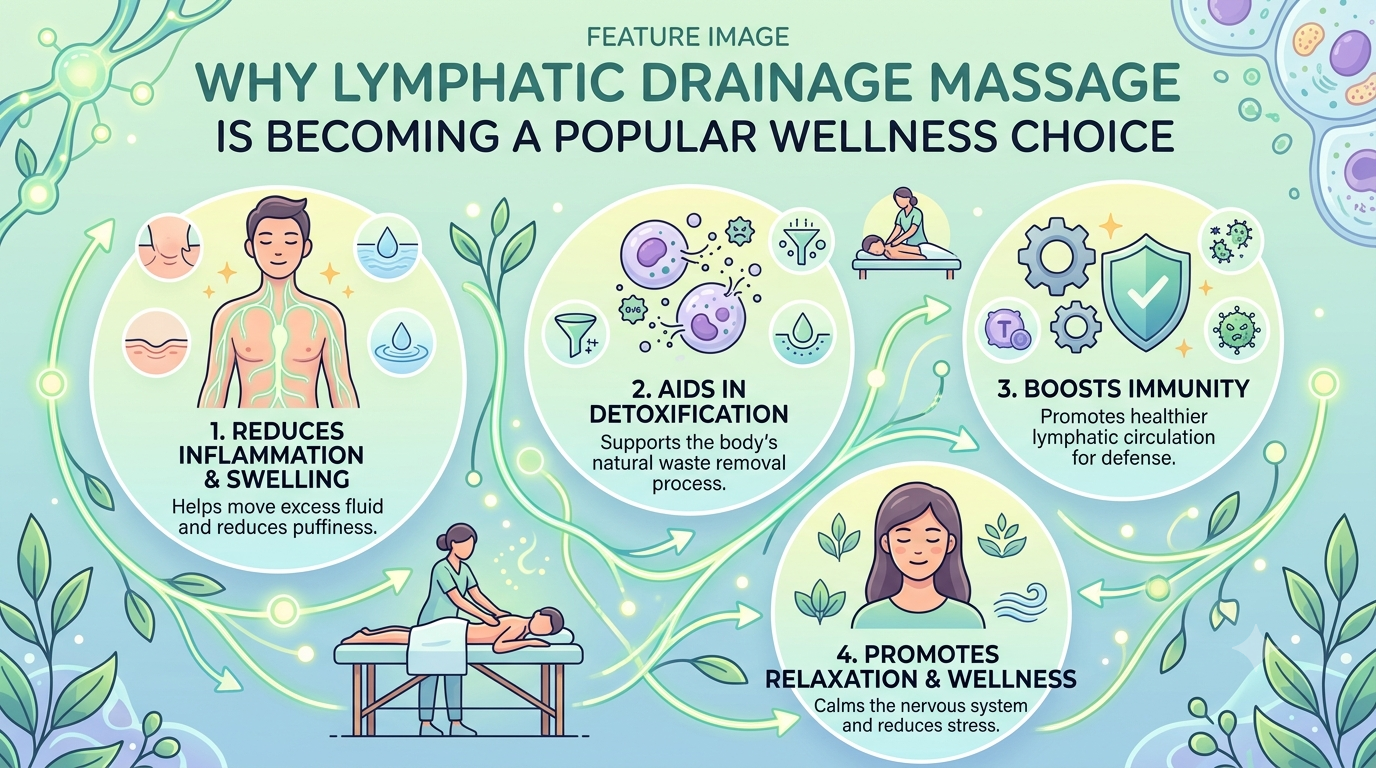
Why Lymphatic Drainage Massage Is Becoming a Popular Wellness Choice
Discover how lymphatic drainage massage supports healthy circulation, reduces temporary swelling, and promotes relaxation. Learn who can benefit and what t
Beutics
In today's fast-paced world, many people experience fatigue, prolonged sitting, stress, and occasional fluid retention as part of their daily routines. As wellness practices continue to evolve, lymphatic drainage massage has gained popularity for its gentle approach to supporting the body's natural lymphatic function while promoting relaxation and overall well-being.
Whether you're looking to ease temporary swelling after travel, reduce feelings of heaviness in your legs, or simply add a restorative therapy to your self-care routine, lymphatic drainage massage offers a unique experience focused on supporting your body's natural processes.
What Is Lymphatic Drainage Massage?
Lymphatic drainage massage, also known as manual lymphatic drainage (MLD), is a specialized massage technique that uses light, rhythmic movements to encourage the normal flow of lymph fluid throughout the body.
Unlike traditional deep tissue or sports massage, lymphatic drainage focuses on gentle pressure rather than muscle manipulation. The technique follows the natural pathways of the lymphatic system, which plays an important role in maintaining fluid balance and supporting immune function.
How Does the Lymphatic System Work?
The lymphatic system is a network of vessels, lymph nodes, and organs that helps transport lymph—a clear fluid containing immune cells—throughout the body. It contributes to:
Maintaining healthy fluid balance
Supporting immune function
Transporting certain fats and nutrients
Helping remove cellular waste through normal bodily processes
Because the lymphatic system relies largely on muscle movement and breathing rather than a central pump like the heart, periods of inactivity may contribute to feelings of heaviness or temporary fluid retention.
Potential Benefits of Lymphatic Drainage Massage
Many people choose lymphatic drainage massage as part of their wellness routine for a variety of reasons. Potential benefits may include:
1. Helps Reduce Temporary Swelling
Gentle massage techniques may help encourage lymph movement, which can assist with reducing mild fluid retention and feelings of puffiness.
2. Supports Healthy Circulation
Although it primarily targets the lymphatic system, the massage may also complement healthy circulation and leave you feeling refreshed.
3. Encourages Relaxation
The slow, rhythmic movements create a calming experience that many people find deeply relaxing, making it an excellent addition to stress management practices.
4. May Help During Post-Procedure Recovery
Some healthcare providers recommend manual lymphatic drainage following certain cosmetic procedures, when appropriate and with medical guidance, to help manage swelling during recovery.
5. Promotes a Sense of Lightness
People who spend long hours sitting, standing, or traveling often report feeling lighter and more comfortable after a session.
Who Can Benefit?
Lymphatic drainage massage may be suitable for adults who:
Experience occasional water retention
Spend long hours at a desk
Frequently travel by air
Want to reduce temporary facial puffiness
Are looking for a relaxing wellness treatment
Have been advised by their healthcare provider to receive lymphatic massage after specific procedures
Individuals with certain medical conditions—such as active infections, untreated heart conditions, blood clots, or some kidney disorders—should consult a qualified healthcare professional before receiving lymphatic drainage massage.
What Happens During a Session?
A typical session begins with a consultation to understand your wellness goals. The therapist then performs gentle, repetitive movements that follow the body's lymphatic pathways, often focusing on areas such as the neck, abdomen, arms, and legs.
Most sessions last between 60 and 90 minutes, and many clients describe the experience as calming and restorative.
Tips After Your Massage
To get the most from your session:
Stay well hydrated.
Avoid strenuous exercise immediately afterward if advised by your therapist.
Wear comfortable clothing.
Continue healthy lifestyle habits, including regular movement and balanced nutrition.
Choosing a Qualified Therapist
Because lymphatic drainage requires specialized techniques, it's important to seek treatment from a trained and experienced massage therapist. A qualified professional can tailor the session to your individual needs while ensuring the massage is performed safely and effectively.
Final Thoughts
Lymphatic drainage massage has become an increasingly popular wellness therapy for people seeking relaxation and support for healthy lymphatic function. While it is not a cure or treatment for medical conditions, it can be a valuable addition to a balanced self-care routine when performed by a qualified practitioner.
Whether your goal is to reduce temporary swelling, unwind after a busy week, or simply enjoy a gentle therapeutic massage, lymphatic drainage massage offers a soothing experience that supports overall well-being.
About the Author
Beutics
This article was contributed by the wellness experts at Beutics, a leading home wellness platform offering professional beauty, massage, and spa services. Beutics connects clients with certified therapists who deliver personalized treatments in the comfort of their homes, making wellness more convenient and accessible.