Washing Towels for Babies and Toddlers: Keeping Them Gentle on Skin
Learn how to wash baby and toddler towels with gentle detergents, proper drying methods, and simple care tips to keep them soft, clean, and comfortable.
Alax
Bath time is an important part of a baby's daily routine. It provides an opportunity to keep little ones clean, comfortable, and relaxed while helping parents establish healthy hygiene habits. However, choosing suitable bath products is only one part of maintaining a gentle skincare routine. The way towels are washed, dried, and stored also matters, particularly when they are used on delicate young skin.
Babies and toddlers can be more sensitive to rough fabrics, leftover laundry detergent, and heavily fragranced cleaning products. A towel that feels comfortable to an adult may not provide the same experience for a young child. Frequent washing is also necessary because baby towels can collect moisture, milk, food stains, and everyday dirt.
Understanding How to Keep Towels Soft while maintaining proper cleanliness can help parents make better laundry decisions. With suitable washing temperatures, gentle detergents, careful drying, and hygienic storage, it is possible to maintain comfortable towels that are ready for everyday use.
Choose Towels Made From Gentle Fabrics
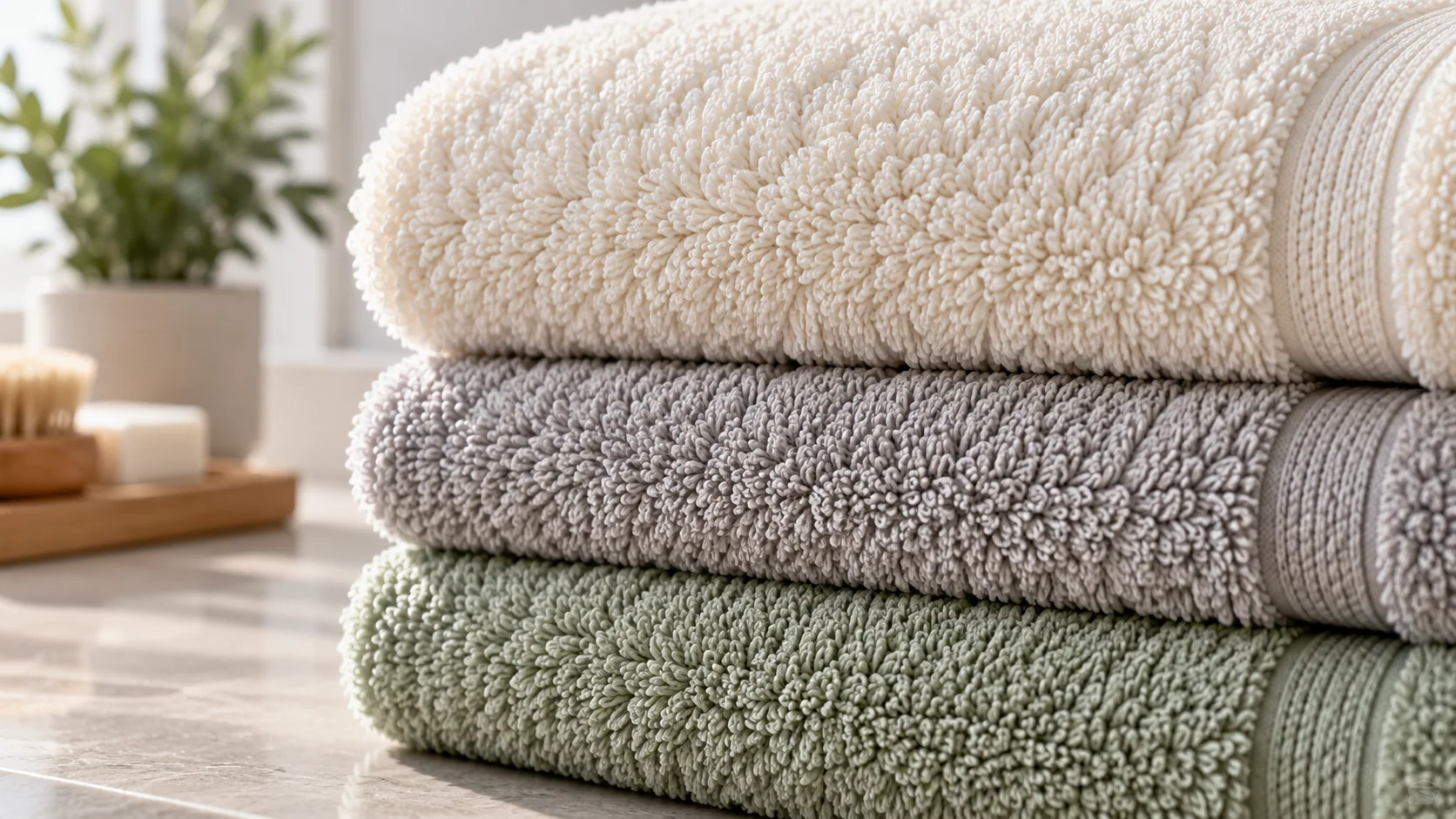
The first step towards comfortable baby towel care is selecting an appropriate fabric. Cotton is a popular choice because it is absorbent, breathable, and generally suitable for everyday bathing.
Soft cotton towels can help absorb moisture without requiring parents to rub a child's skin aggressively. This is particularly important around sensitive areas such as the face, neck, and skin folds.
Parents may also consider towels with a soft pile and a comfortable texture. However, fabric quality should not be judged by thickness alone. A very thick towel may take longer to dry, while a well-made cotton towel can provide good absorbency without feeling unnecessarily heavy.
Before purchasing baby towels, check the manufacturer's fabric information and washing instructions. Choosing durable materials that can tolerate regular laundering is helpful for maintaining hygiene over time.
Use a Mild and Suitable Laundry Detergent
Laundry detergent is one of the most important considerations when washing towels used by babies and toddlers. Some cleaning products contain strong fragrances, dyes, or other ingredients that may not suit every child's skin.
Parents can consider fragrance-free detergents formulated for sensitive skin. However, even products marketed as gentle can affect individual children differently, so checking ingredient information and observing how a child responds is sensible.
Using the correct detergent quantity is equally important. Excessive detergent can leave residue within cotton fibres, potentially making towels feel stiff and uncomfortable.
Always follow the product manufacturer's dosage recommendations and consider the size of the laundry load. If towels feel soapy after washing, an additional rinse may help remove remaining detergent.
For parents researching How to Keep Towels Soft, choosing a suitable detergent and avoiding unnecessary product buildup are useful starting points.
Wash Baby Towels Separately When Necessary
Baby towels can collect different types of dirt compared with ordinary household laundry. Food stains, milk, body oils, and other everyday messes may require additional attention.
Washing baby towels separately from heavily soiled clothing can help prevent unwanted contamination and make laundry sorting easier. It also allows parents to select an appropriate washing cycle for delicate fabrics.
If separate washing is not practical, ensure that laundry is sorted properly and avoid mixing baby towels with items containing rough zips, hooks, or heavy materials that may create friction.
New towels should also be washed before their first use according to the care label. This helps remove manufacturing residues, dust, and loose fibres that may remain on the fabric.
Developing a consistent washing routine makes it easier to keep baby essentials clean and ready for use.
Select the Right Washing Temperature
Water temperature can influence how effectively towels are cleaned and how well their fibres retain their condition.
Some parents assume that every baby towel must be washed at the highest possible temperature. However, this is not always necessary. The appropriate temperature depends on the fabric, detergent, level of soiling, and manufacturer's care instructions.
For everyday laundry, follow the recommended washing temperature printed on the towel label. When towels are heavily soiled, an appropriate wash cycle can help remove dirt and body oils.
If a child has been unwell or the towels require additional hygiene measures, parents should follow relevant healthcare advice and the product's washing instructions.
Avoid choosing unnecessarily harsh washing settings simply because the towels belong to a baby. Proper cleaning should be balanced with fabric care to maintain comfort and durability.
Avoid Excessive Fabric Softener and Strong Fragrances
Fabric softeners are often used to make laundry feel smoother, but they are not always ideal for towels. Many products leave conditioning ingredients on fabric surfaces, which can gradually affect the absorbency of cotton fibres.
For baby towels, there is another consideration. Strong fragrances and certain ingredients may not suit children with particularly sensitive skin.
Instead of relying on fabric softener, parents can focus on suitable detergent measurements, effective rinsing, and appropriate drying methods.
It is also worth remembering that a towel does not need a strong fragrance to smell clean. Proper washing, complete drying, and hygienic storage are more important for maintaining freshness.
Avoid mixing several laundry additives in an attempt to achieve extra softness. A simple and consistent washing routine is often easier to manage.
Dry Towels Properly to Maintain Their Softness
Drying is just as important as washing when caring for baby towels. Towels that remain damp for extended periods can develop unpleasant smells and become unsuitable for immediate use.
After washing, remove towels from the machine promptly. Shake them gently to separate the fabric before placing them on a drying rack or in a tumble dryer.
If air drying, choose a clean, well-ventilated area where towels have enough space for airflow. Avoid folding wet towels over crowded racks because trapped moisture can slow down the drying process.
A tumble dryer may also be suitable when the manufacturer's instructions allow it. Use an appropriate heat setting and avoid excessive drying, which can contribute to fabric wear.
Learning How to Keep Towels Soft involves finding a balance between complete drying and protecting the natural texture of cotton fibres.
Keep Baby Towels Completely Dry Before Storage
Clean towels should always be completely dry before being folded and stored. Even a small amount of trapped moisture can encourage musty smells and create conditions that support mould growth.
Choose a clean, dry cupboard or storage area for baby towels. Avoid placing them beside damp bathroom walls, cleaning chemicals, or used laundry.
It is also useful to keep baby towels separate from household cleaning cloths and other heavily used fabrics. This makes it easier to maintain an organised storage system and reduces unnecessary contact with dirt.
Parents who have limited storage space can use clean baskets or designated shelves to keep towels organised.
Before bath time, check that the towel is dry, clean, and free from visible stains or unpleasant smells. These small checks help maintain a more hygienic routine.
Wash Baby Towels Frequently Enough
Baby towels should be washed according to how frequently they are used and how quickly they become soiled. A towel used after bathing can collect moisture and skin products, even when it appears clean.
If a towel becomes visibly dirty, develops an unpleasant smell, or remains damp, it should be washed before being used again. Towels used by babies should not be shared between children because separate towels make personal hygiene easier to manage.
Parents should also avoid leaving wet towels in laundry baskets for long periods. Allowing them to remain damp can encourage bacterial growth and unpleasant odours.
Having a few spare towels available can make it easier to maintain a regular washing schedule without rushing the drying process.
Inspect Towels for Roughness and Fabric Damage
Even well-maintained baby towels gradually experience natural wear. Repeated washing and drying can affect cotton fibres, while loose threads and damaged loops may make the fabric less comfortable.
Parents should inspect towels occasionally for rough patches, thinning areas, loose stitching, and persistent stains.
If a towel becomes noticeably rough, reviewing the washing routine may help identify possible causes. Detergent buildup, unsuitable drying methods, and hard water can all influence fabric texture.
However, towels that remain damaged, heavily stained, or difficult to clean should be replaced rather than used simply because they were previously comfortable.
Choosing good-quality replacement towels when necessary helps maintain a consistent standard of comfort and cleanliness.
Build a Gentle and Hygienic Baby Towel Routine
Caring for baby towels does not require complicated laundry products or expensive cleaning solutions. What matters most is developing consistent habits that protect fabric quality while maintaining proper hygiene.
Choosing suitable cotton towels, using a mild detergent, following care labels, rinsing thoroughly, and allowing fabrics to dry completely can all support a better laundry routine.
Understanding How to Keep Towels Soft also means recognising that softness should never come at the expense of cleanliness or absorbency. A comfortable baby towel should feel gentle, absorb moisture effectively, and be properly maintained between uses.
With a little attention to washing, drying, and storage, parents can keep their children's towels fresh, comfortable, and ready for everyday bath time. These practical habits also help extend the useful life of quality towels, making them a worthwhile part of a well-organised household laundry routine.
About the Author
Alax
No bio available