Superhero Reading List: Books and Comics Worth Your Time
Discover the best Superhero Books and superhero comics to read, featuring iconic heroes, thrilling stories, powerful villains, and must-read adventures for
Fandom Fans
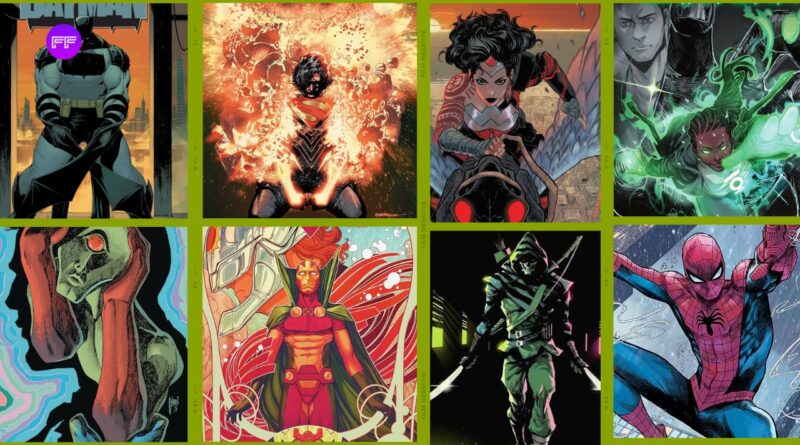
Superhero stories have quietly become one of the highest-regarded genres of contemporary storytelling. What was once sneered at as throwaway newsstand entertainment is now regularly compared to literary fiction, exploring trauma, identity, power and moral compromise with such an intensity that it takes many readers by surprise. If you're wondering where to start when it comes to actually reading on superheroes, this list of the best superhero books and best superhero comics books to read is meant as a guide to help you find an entry point that really suits your taste, instead of just throwing a random pile of "must-reads" at you.
Two Different Reading Experiences
Before getting into specific titles, it's worth understanding that superhero comics and superhero prose novels offer genuinely different reading experiences, even when they're telling similar kinds of stories.
Comics rely on the interplay between art and text, using panel layout, color, and visual pacing to build tension and emotion in ways prose simply can't replicate. A single striking image can carry as much weight as several pages of dialogue. Prose novels, on the other hand, get to live inside a character's head in a much more direct way, giving readers access to internal monologue, extended reflection, and world-building detail that comics typically only gesture toward through captions or dialogue.
Neither format is objectively better — they just serve different kinds of stories well. Readers drawn to visual spectacle and fast pacing often gravitate toward comics, while readers who want deep interiority and slower-building tension may find more satisfaction in prose.
Comics That Redefined the Genre
A small number of graphic novels are so frequently cited as genre-defining that they've become required reading even for people who don't typically read comics at all. Alan Moore and Dave Gibbons' work deconstructing the superhero concept remains one of the most analyzed comics ever published, using a slow-burn murder mystery to question what costumed vigilantes might realistically look like in a morally messy world rather than a clean-cut one. Frank Miller's darker, more world-weary take on an aging Batman returning to crime-fighting reshaped how an entire generation of writers approached long-running characters, influencing decades of grittier superhero storytelling that followed.
Alan Moore's separate work reimagining a swamp-dwelling horror character as a philosophical meditation on identity and consciousness helped push horror-adjacent superhero comics into genuinely literary territory. And while not a conventional superhero story, Neil Gaiman's expansive series centered on the personification of dreams is frequently mentioned alongside these titles, since it demonstrates just how far the medium can stretch when writers treat it as a serious literary form.
For readers curious about origin stories told with real emotional weight, Frank Miller and David Mazzucchelli's account of a young detective's first year fighting crime remains a benchmark for grounded character work, favoring psychological realism over spectacle.
Contemporary Comics Pushing the Genre Forward
The genre hasn't stood still since those landmark releases. Kelly Sue DeConnick's reinvention of a classic Air Force pilot character as a headlining hero brought a distinctly modern, feminist-forward sensibility to a legacy character, helping usher in a wave of similarly reimagined heroes across the industry. Tom King's introspective character studies, often built around quiet emotional beats rather than nonstop action, have drawn widespread critical praise for treating well-known heroes with a level of psychological nuance rarely seen in earlier decades of the genre.
Saladin Ahmed and Sami Basri's work introducing a new hero rooted in a different cultural background reflects a broader industry-wide push toward more diverse representation within superhero storytelling. And G. Willow Wilson's series following a Jersey City teenager discovering her powers has become one of the most beloved new hero debuts in recent memory, praised for balancing genuine coming-of-age warmth and humor with classic superhero stakes.
Prose Novels for Readers Who Prefer Traditional Fiction
For readers who'd rather stay in a traditional novel format, several standout titles have carved out their own space within superhero fiction. Austin Grossman's novel told from the perspective of a reflective, self-aware supervillain offers a genre-savvy, deeply internal take on the hero-villain dynamic, exploring motivations and regrets in a way comics rarely have the page space to fully develop. Brandon Sanderson's series imagining a world where every superpowered individual has turned to villainy flips the usual formula entirely, following ordinary people fighting back against corrupted power rather than heroes protecting the innocent from outside threats.
For younger readers or anyone looking for a lighter entry point, novels centered on original teen superhero characters juggling secret identities alongside ordinary school life have become a popular and accessible gateway into the genre, blending familiar coming-of-age storytelling with superhero adventure.
Finding Your Entry Point
New readers often make the mistake of trying to start with decades-old, deeply continuity-heavy series, which can feel more like homework than entertainment. A better approach is to start with self-contained graphic novels or standalone origin stories, since these are specifically built to introduce a character and their world without requiring prior background knowledge.
It also helps to think honestly about what actually draws you to the genre. Readers interested in moral complexity and psychological depth tend to connect more with darker, more introspective titles, while readers looking for adventure, humor, and hopeful energy often prefer newer series centered on younger or newly introduced heroes. Readers who love intricate world-building and inventive power systems may find prose novels more satisfying overall, simply because there's more room on the page to explain the rules and consequences of a fictional world in real depth.
Building a List That Actually Fits You
Rather than trying to read everything at once, it's usually more rewarding to build a small, focused list based on tone rather than popularity alone. Readers drawn to morally gray characters and slow-burn tension might start with deconstructive classics before moving into more recent character-driven runs. Readers who prefer hopeful, emotionally grounded storytelling often connect more with newer legacy-hero titles built around identity, community, and personal growth alongside the action.
For readers who enjoy world-building above everything else, alternating between prose novels and comics tends to strike a nice balance, since novels typically spend more time unpacking the internal logic of a power system while comics deliver that same information more immediately through visual storytelling.
It's worth remembering that superhero fiction spans a huge range of publishers, formats, and tones, so there's genuinely no single "correct" way to approach it. Skipping around based on personal curiosity, rather than trying to read everything in strict chronological order, tends to be the far more enjoyable path for newer readers.
Conclusion
Superhero books and comics have evolved into one of the most flexible and emotionally rich genres available today, spanning everything from morally complicated deconstructions of heroism to lighthearted, character-driven stories perfect for readers just getting started. Whether you're drawn to landmark graphic novels that reshaped the medium, contemporary runs pushing representation and psychological depth forward, or prose novels that dig deep into a character's internal world, there's genuinely a superhero story suited to almost any reading taste.
The simplest way to begin is to pick one title that genuinely sounds appealing, rather than trying to tackle the entire genre at once. From there, one great superhero book tends to lead naturally to the next, and what once felt like an intimidating, sprawling genre gradually turns into a reading list full of favorites you'll want to return to again and again.
About the Author
Fandom Fans
Explore Fandom Fans for the latest entertainment news, game releases, and movie updates to keep you informed and entertained!