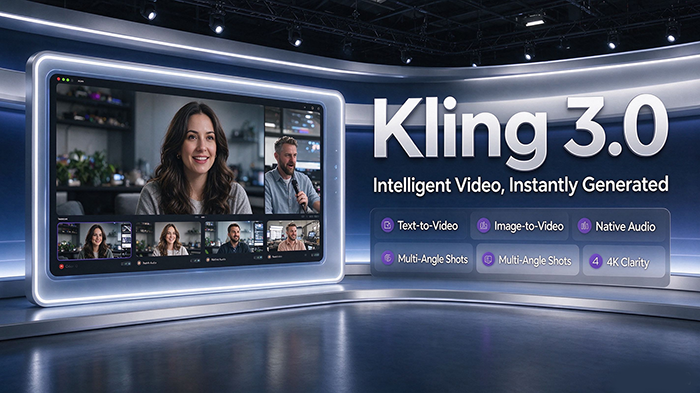
Kling 3.0: Next‑Generation AI Video Generation
Kling 3.0 is an advanced AI video generator supporting text-to-video, image-to-video, multi-shot storytelling and synced audio. Create consistent, realisti

Leo poppy
Kling 3.0 represents a major leap forward for accessible AI‑powered video creation, merging text‑driven creativity with multimodal capabilities to lower barriers for visual storytelling. For independent creators, marketing teams, and visual artists, it solves long‑standing pain points in AI video: fragmented clips, mismatched sound, drifting character appearances, and limited narrative control. Users can turn written prompts or static reference images into complete, ready‑to‑use video sequences without heavy manual post‑production.
One standout capability is its multi‑shot director‑mode workflow. Within one generation task, users define full story sequences, adjusting framing, camera movement, and timing for separate shots. The model handles smooth transitions automatically, turning simple prompt input into structured short narratives instead of isolated single‑shot clips. This is highly valuable for story pre‑visualization, social‑media shorts, and concept prototyping.
Native synchronized audio is another core advantage. Alongside visuals, the tool generates ambient sound, sound effects, and multilingual dialogue with reliable lip alignment. There is no requirement to import or edit separate audio tracks, streamlining the whole creative workflow and improving audiovisual immersion.
Character and subject anchoring addresses one of the most common frustrations of generative video. By feeding reference materials, creators lock character looks, outfits, and even voice traits across different shots. This consistency makes it practical to build repeating IP figures, digital‑human spokespeople, and cohesive advertising series.
Output supports high‑resolution, high‑frame‑rate rendering for sharp lighting, realistic material textures, and natural object physics. It works well for many practical scenarios: social‑media marketing clips, product demos, indie concept scenes, educational visuals, and animation previews.
Kling 3.0 does not replace human creative judgment. It acts as a collaborative creative assistant. Creators still refine prompts, review generated output, and apply final polish. By compressing hours of shooting and editing work into fast iterative generation cycles, it empowers more people to bring visual ideas to life regardless of large‑budget production resources.
About the Author
Leo poppy
No bio available