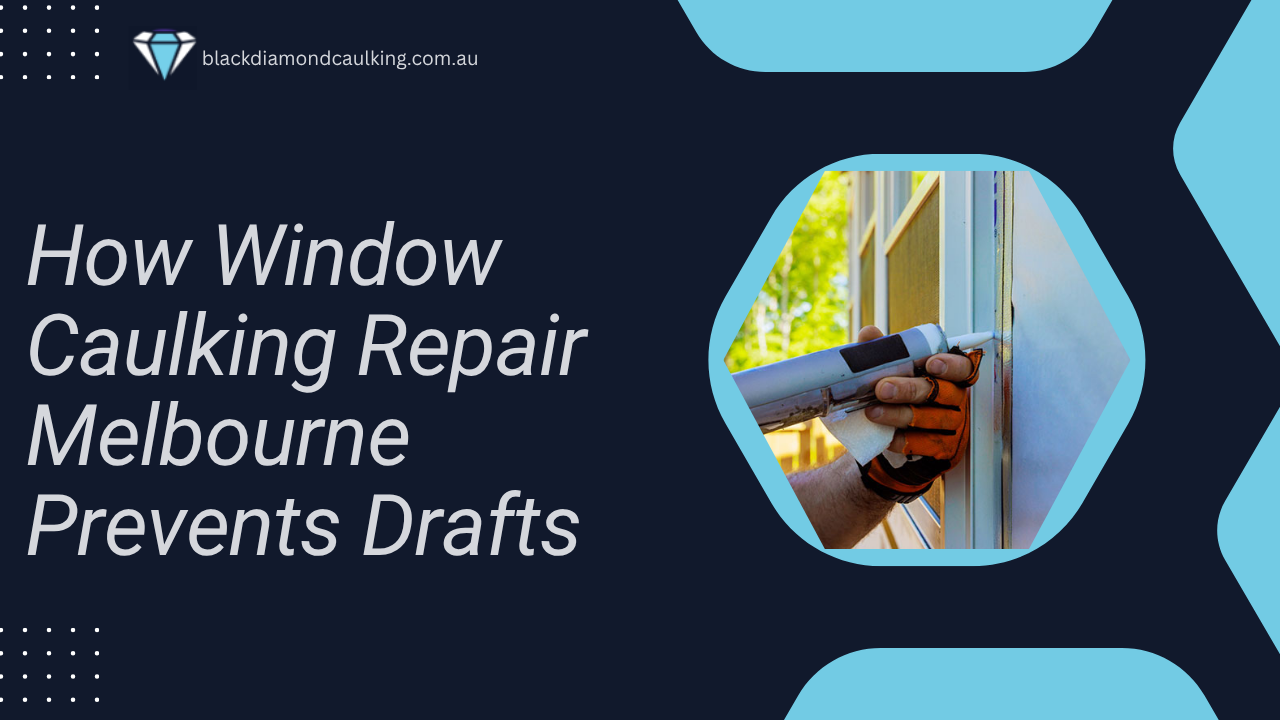
How Window Caulking Repair Melbourne Prevents Drafts
Stop cold drafts fast with expert window caulking repair in Melbourne. Learn where, when & how to seal your windows properly before the next cold snap hits

abeer qureshi
Introduction
You sit down on your couch on a cold Melbourne evening and you feel it — that sneaky chill creeping in right around your windows. Most Melbourne homeowners blame ageing windows, but the real culprit is almost always a failed seal on the frame. Window caulking repair is the single most affordable fix you can make to stop drafts, cut energy bills, and make your home genuinely warm again this winter. You don't need new windows — you just need the right seal, done properly.
The good news is that a proper seal job creates an airtight barrier that keeps warm air in and cold air firmly outside where it belongs all winter long. This guide walks you through why caulk fails, how drafts happen, what common mistakes to avoid, and how Melbourne homeowners are solving this problem right now.
Why Window Caulking Repair Matters More Than Most People Realise
Window caulking repair protects far more than just your comfort — it actively protects your home's structure, reduces energy waste, and stops moisture from sneaking inside your walls. A cracked or missing seal around a window isn't just a draught issue; it's an open invitation for water ingress, mould growth, and costly timber rot inside your wall cavity. Melbourne's unpredictable weather — cold wet winters followed by hot dry summers — pushes window seals through extreme stress cycles every single year. Without a timely fix, what starts as a tiny gap quietly becomes a very expensive structural problem.
The Real Connection Between Failed Caulk and Cold Drafts
Even a gap of just one or two millimetres around a window frame lets a significant amount of cold air flow into your home during a Melbourne winter. When the caulk around window frame edges crack or separate, they create a direct channel feeding cold outside air in while warm air escapes outward at the same time. This invisible two-way exchange forces your heating system to work much harder, pushing energy costs up month after month without any obvious cause. Fixing this with a proper window caulking repair stops the exchange completely and restores your home's thermal comfort almost immediately.
How to Caulk Old Windows the Right Way
If you're dealing with older windows in a Melbourne property, the approach matters — rushing it leads to poor adhesion and a seal that fails within a single season. Understanding how to caulk old windows starts with one rule: every trace of old caulk must come out completely before anything new goes in. Old, hardened caulk creates an uneven base that stops new silicone from bonding correctly, no matter which product you use. Follow these steps in order for a result that genuinely lasts:
Remove all old caulk — plastic scraper or removal tool; no metal tools on timber frames
Clean the surface — methylated spirits removes all dust, grease, and old residue
Allow full drying — minimum two hours; trapped moisture causes early failure
Apply painter's tape — both sides of the gap for a straight, clean finish line
Apply fresh sealant — quality silicone rated for exterior window use in Melbourne
Smooth the bead — press firmly into the gap, smooth with a wet finger or tool
Remove tape immediately — peel off before the sealant begins to skin over
Caulking for Windows Inside — What Every Homeowner Should Know
Most people assume window sealing is an outdoor-only task, but caulking for windows inside is equally important for draught control in Melbourne homes. Interior sealing fills the gaps between the window frame and the internal plaster or wall lining — exactly where cold air migrates through wall cavities into your living areas. Interior-grade silicone or paintable acrylic caulk works best here because it is flexible, bonds well to plaster and timber, and handles Melbourne's seasonal temperature swings reliably. A complete window caulking repair always covers both sides of the frame for a truly effective draught-proofing result.
Where Not to Caulk Around Windows Inside — This Is Critical
Knowing which spots to leave unsealed is just as important as knowing where to apply sealant — and getting it wrong traps moisture inside your wall cavity. Never caulk the weep holes at the bottom of the outer frame — those small gaps exist specifically to drain water away from the structure and must stay completely open. Also never seal the joint between the operable sash and the fixed frame on any opening window, as that joint must stay free for both function and ventilation year-round. Ignoring where not to caulk around windows inside causes the exact water damage you are actually trying to prevent in the first place.
Choosing the Right Sealant Product for Your Window Frames
Choosing the right product for caulk around window frame repairs makes a genuine difference to how long the seal survives across multiple Melbourne seasons. Silicone-based products offer the best long-term flexibility and weather resistance for exterior work, handling the expansion and contraction that Melbourne's wide temperature swings cause. For interior work where painting over the seal is needed, a quality paintable acrylic caulk bonds cleanly to the plaster and timber surfaces most common in Melbourne's residential homes. Always choose a product specifically rated for window and door use — general-purpose caulks are not designed to handle the daily movement and UV exposure window frames face.
Melbourne Caulking Services — When Calling a Professional Is the Smarter Move
There are situations where booking professional Melbourne caulking services is simply the smarter decision, and recognising them early saves both time and the cost of a job done twice. If your windows show timber rot, widespread frame separation, multiple failed seals, or moisture behind the wall lining, a professional delivers a result DIY genuinely cannot match. Expert caulking in Melbourne brings commercial-grade materials, specialist preparation tools, and deep experience across Melbourne's diverse building types — from heritage weatherboards to modern apartments. For rental investments and larger properties where quality and speed both count, professional service pays for itself quickly in energy savings and avoided repairs.
Warning Signs Your Window Seal Cannot Wait Any Longer
Some homeowners delay window caulking repair because the problem looks small — but delay almost always turns a simple seal job into a much larger, costlier repair. Watch for these clear warning signs that action is needed right now:
Visible cracks or gaps in the sealant line around any window in the home
A draught you can feel by placing your hand near the window edge on a cold day
Condensation on interior walls near frames — a reliable sign of thermal bridging
Paint bubbling or peeling around window frames — moisture getting behind the surface
Black mould developing along the sill or corners despite your regular cleaning routine
Rising energy bills without any obvious change in your heating or cooling habits
Repair Window Caulking Before Winter — Timing Genuinely Matters
Choosing to repair window caulking before the cold season starts delivers immediate, real comfort benefits right when you need them most inside your Melbourne home. Silicone caulk needs temperatures above 5°C to cure correctly — applying it mid-winter risks poor adhesion and a seal that fails before spring arrives. The best time is late summer or early autumn, when surfaces are dry, temperatures are mild, and the product cures fully before cold weather sets in. Planning your re-sealing project around Melbourne's seasons is the practical difference between a seal that lasts years and one that fails within months.
How Much Does Window Caulking Repair Cost in Melbourne?
Sealing costs in Melbourne vary depending on the number of windows, the extent of damage, and whether you DIY or book a professional. A standard DIY caulk kit from any Melbourne hardware store runs between $15 and $40, making this one of the most affordable home maintenance tasks available. For professional window caulking repair from a licensed tradesperson, expect between $150 and $400 for a typical Melbourne home depending on window count and access. Since poorly sealed windows can add hundreds of dollars annually to heating and cooling costs, the investment is almost always recovered within a single Melbourne winter season.
Conclusion
A cold, draughty Melbourne home doesn't need new windows — it needs a solid window caulking repair that seals every gap, every frame edge, and every weak point where cold air is currently getting through. From choosing the right sealant to finding trusted caulking in Melbourne professionals for larger jobs, every step in this guide gives you the knowledge to act confidently and stop the draught for good. Don't let another Melbourne winter drain your energy budget through gaps you could fix this weekend for the price of a decent lunch. Now that you know exactly how a proper seal protects your home and your wallet, ready to seal up and start saving on every single power bill?
👉 [Get a Free Window Sealing Assessment from Melbourne's Trusted Black diamond Caulking Experts Today]
FAQ: Window Caulking Repair Melbourne
Q1: How long does a professional window seal last in Melbourne? A properly applied silicone seal lasts five to ten years before needing inspection or replacement in Melbourne's climate.
Q2: Can I use window caulk to fix drafts myself without professional tools? Yes — most homeowners handle a standard window caulk re-seal successfully with basic tools, the right product, and a clean dry surface.
Q3: What product works best for interior window sealing in Melbourne? An interior-grade paintable acrylic bonds cleanly to plaster and timber while accepting topcoat paint without any issues.
Q4: What spots should never be sealed around a window frame inside? Sealing weep holes and sash joints is the most common mistake, trapping moisture and causing the very damage you are trying to prevent.
Q5: When should I stop DIY and call a professional caulking company in Melbourne? Call a professional when timber rot, widespread frame damage, or multiple failed seals across the property make self-repair impractical.
About the Author
abeer qureshi
No bio available