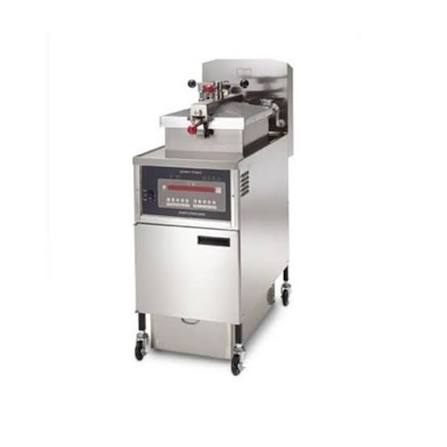
Henny Penny Pressure Fryer: Everything You Need to Know Before Buying
Discover how a Henny Penny pressure fryer works, its key features, benefits, maintenance tips, and why it's the preferred choice for commercial kitchens.

emma johnson
For restaurants known for serving crispy, juicy fried chicken, investing in the right equipment is essential. A Henny Penny pressure fryer is one of the most trusted commercial cooking solutions in the foodservice industry. Designed to cook food under pressure, it helps lock in moisture while creating a crispy, golden exterior in less time than conventional frying methods.
Whether you operate a quick-service restaurant, a fried chicken franchise, or a high-volume commercial kitchen, understanding how a Henny Penny pressure fryer works can help you choose the right equipment for your business.
What Is a Henny Penny Pressure Fryer?
A Henny Penny pressure fryer is a commercial fryer that combines pressure cooking with deep frying. During the cooking process, the fryer creates a sealed, pressurized environment that raises the boiling point of water inside the food. This allows food—especially chicken—to cook faster while retaining more natural moisture.
Unlike standard open fryers, pressure fryers produce tender meat with a crispy coating, making them the preferred choice for restaurants specializing in fried chicken.
Key Features of a Henny Penny Pressure Fryer
Advanced Pressure Cooking Technology
The sealed cooking chamber helps food cook evenly while reducing moisture loss, resulting in juicy, flavorful products.
Digital Control System
Most Henny Penny pressure fryers feature programmable digital controls that simplify temperature settings, cooking cycles, and menu management.
Fast Cooking Times
Pressure cooking reduces overall cooking time, helping restaurants serve more customers during busy hours.
Energy-Efficient Design
Efficient heating systems reduce energy consumption while maintaining consistent oil temperatures throughout the day.
Heavy-Duty Construction
Made from commercial-grade stainless steel, Henny Penny pressure fryers are built to withstand years of continuous operation.
Benefits of Using a Henny Penny Pressure Fryer
Restaurants around the world rely on a Henny Penny pressure fryer because it delivers several operational advantages.
Consistently High Food Quality
Pressure frying locks in moisture, producing juicy chicken with a crispy, evenly cooked coating.
Increased Kitchen Productivity
Faster cooking cycles allow staff to prepare more food in less time, improving service during peak hours.
Better Oil Management
Many models include built-in oil filtration systems that help extend oil life and reduce replacement costs.
Improved Food Safety
Automatic cooking controls reduce operator error while helping maintain safe cooking temperatures.
Long-Term Reliability
Henny Penny equipment is designed for demanding commercial environments and offers dependable performance over many years.
Who Should Buy a Henny Penny Pressure Fryer?
A Henny Penny pressure fryer is an excellent choice for:
Fried chicken restaurants
Quick-service restaurants (QSRs)
Food courts
Convenience stores
Catering operations
Hotels
Institutional kitchens
Supermarkets with hot food counters
Any business serving large volumes of fried chicken can benefit from the speed and consistency of pressure frying.
How to Choose the Right Henny Penny Pressure Fryer
Before purchasing, consider these important factors.
Production Capacity
Select a fryer that matches your daily cooking volume to avoid production bottlenecks.
Kitchen Space
Measure your available space to ensure proper installation and workflow.
Gas or Electric Model
Choose the model that best suits your kitchen's utility connections and operating preferences.
Control Features
Look for programmable digital controls that make operation easier and help maintain consistent cooking results.
Service and Parts Availability
Purchase from an authorized supplier that offers genuine replacement parts and technical support.
Maintenance Tips
Proper maintenance helps maximize the performance and lifespan of your Henny Penny pressure fryer.
Follow these best practices:
Filter frying oil regularly.
Clean the pressure lid and sealing gasket daily.
Inspect pressure valves and safety components.
Replace worn seals promptly.
Schedule routine preventive maintenance.
Always use genuine Henny Penny replacement parts.
Regular maintenance minimizes downtime and keeps the fryer operating safely.
Frequently Asked Questions
What foods can be cooked in a Henny Penny pressure fryer?
Although it's best known for fried chicken, it can also cook bone-in chicken pieces and other menu items designed for pressure frying. Always follow the manufacturer's cooking recommendations.
Is a pressure fryer better than an open fryer?
For fried chicken, yes. Pressure fryers produce juicier meat while reducing cooking time. Open fryers are more suitable for foods like french fries, seafood, and appetizers.
Are Henny Penny pressure fryers easy to operate?
Yes. Modern models feature digital control systems with programmable cooking cycles, making them user-friendly for commercial kitchens.
How often should the fryer be serviced?
Daily cleaning combined with regular preventive maintenance helps ensure reliable performance and extends equipment life.
Where can I buy a Henny Penny pressure fryer?
Buying from a trusted commercial kitchen equipment supplier ensures genuine products, warranty coverage, and access to replacement parts.
Conclusion
A Henny Penny pressure fryer is a valuable investment for restaurants that prioritize speed, consistency, and food quality. Its advanced pressure cooking technology helps produce juicy, flavorful chicken while improving kitchen efficiency and reducing operating costs.
If you're looking to upgrade your commercial kitchen, choosing the right Henny Penny pressure fryer can support long-term productivity and deliver the consistent results your customers expect.
Explore The Horeca Store's range of Henny Penny pressure fryers to find the ideal solution for your restaurant's cooking needs.
About the Author
emma johnson
No bio available