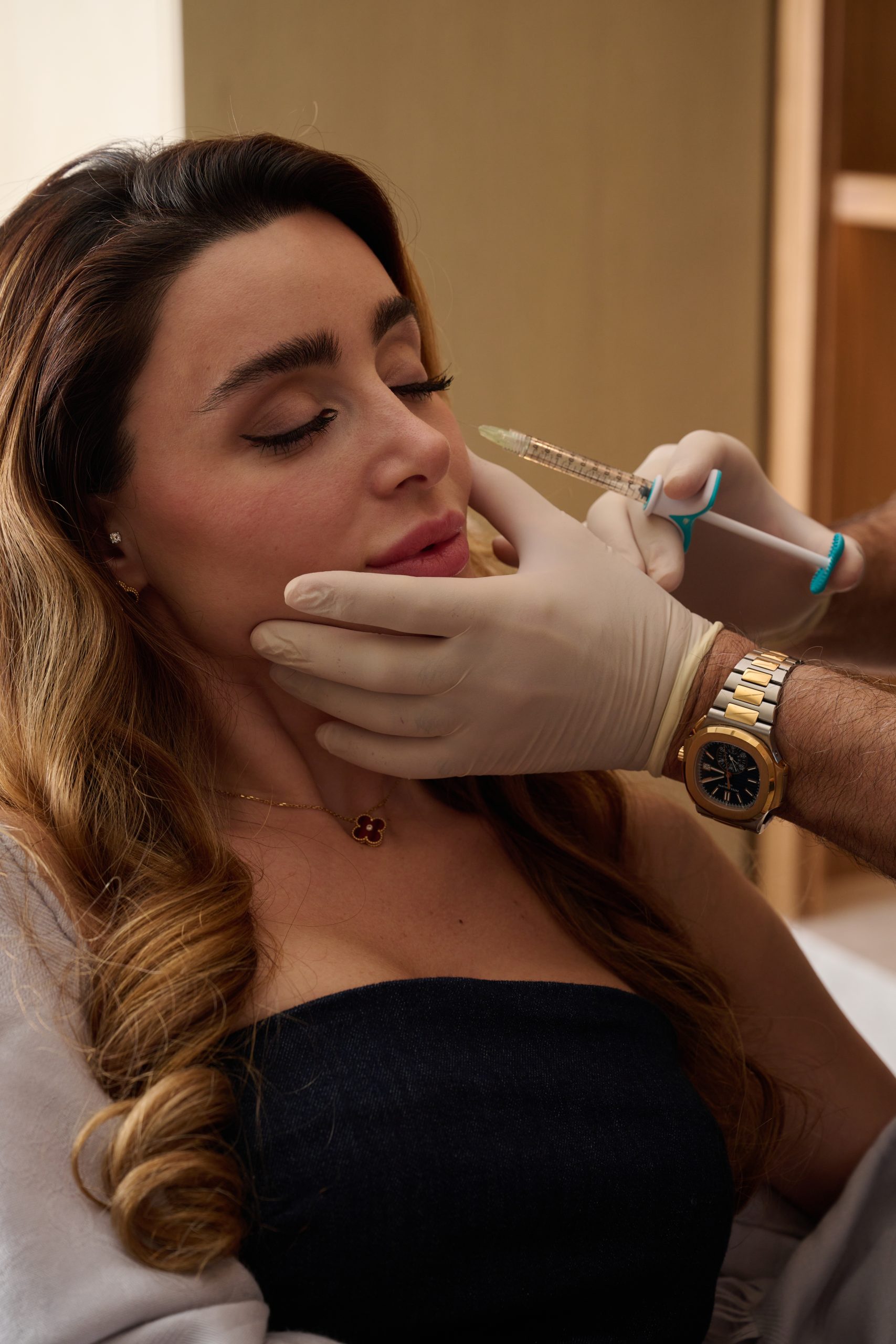
Botox Treatment for Face: A Complete Guide to Smoother, Youthful Skin
Discover Botox treatment for face, its benefits, procedure, results, and safety tips for achieving smoother, youthful-looking skin.

Sohaib Maqsood
Botox treatment for the face has become one of the most popular non-surgical cosmetic procedures in the world. It is widely used to reduce the appearance of wrinkles, fine lines, and expression marks, helping individuals achieve a smoother and more youthful look without undergoing invasive surgery. Whether you are considering Botox for the first time or simply want to understand how it works, this guide will walk you through everything you need to know, including benefits, procedure details, safety, results, and aftercare.
What Is Botox Treatment for Face?
Botox is a purified protein derived from Clostridium botulinum. When used in controlled, medical doses, it temporarily relaxes targeted facial muscles. These muscles are responsible for creating dynamic wrinkles—lines that form from repeated facial expressions such as smiling, frowning, or squinting.
Common areas treated with Botox include:
Forehead lines
Crow’s feet around the eyes
Frown lines between the eyebrows (glabellar lines)
Bunny lines on the nose
Chin dimpling
Neck bands
By relaxing these muscles, Botox smooths the overlying skin and reduces the visibility of wrinkles.
How Does Botox Work on the Face?
Botox works by blocking nerve signals that tell muscles to contract. When injected into specific facial muscles, it prevents them from tightening as strongly as they normally would. This results in reduced movement in the treated area, allowing the skin to appear smoother.
The process does not “freeze” the entire face when done correctly by a skilled practitioner. Instead, it selectively relaxes certain muscles while preserving natural facial expressions.
The effects typically begin within 3 to 5 days, with full results visible in about 10 to 14 days.
Benefits of Botox Treatment for Face
1. Reduces Fine Lines and Wrinkles
One of the primary reasons people choose Botox is its ability to soften visible signs of aging. It is especially effective on expression lines caused by repetitive movement.
2. Prevents New Wrinkles
Botox is not only corrective but also preventive. By limiting muscle movement, it helps slow the formation of deeper lines over time.
3. Non-Surgical and Minimally Invasive
Unlike facelift surgery, Botox requires no incisions, anesthesia, or long recovery period. It is a quick outpatient procedure.
4. Quick Procedure with Little Downtime
A typical Botox session takes 10–20 minutes. Most people return to work or normal activities immediately afterward.
5. Boosts Confidence
Smoother skin and a refreshed appearance often improve self-esteem and confidence, especially in social and professional settings.
Who Is a Good Candidate for Botox?
Botox is suitable for adults who:
Have moderate to mild facial wrinkles
Want a non-surgical anti-aging solution
Are in good overall health
Have realistic expectations about results
It is commonly used by individuals aged 25–65, although younger people sometimes choose “preventive Botox” to delay wrinkle formation.
However, Botox may not be suitable for:
Pregnant or breastfeeding individuals
People with certain neurological disorders
Individuals allergic to Botox ingredients
A consultation with a qualified medical professional is essential before treatment.
The Botox Procedure Step by Step
Step 1: Consultation
The practitioner evaluates your facial structure, skin condition, and aesthetic goals. They determine the appropriate injection points and dosage.
Step 2: Preparation
The skin is cleaned, and sometimes a numbing cream is applied, although most people do not require anesthesia.
Step 3: Injection
Using a very fine needle, Botox is injected into targeted facial muscles. The number of injections depends on the treatment area.
Step 4: Post-Treatment Care
You may be advised to avoid rubbing the area, lying down immediately, or engaging in strenuous exercise for a few hours.
Areas Commonly Treated with Botox
Forehead Lines
Horizontal lines caused by raising the eyebrows can be significantly softened.
Frown Lines (Glabellar Lines)
These vertical lines between the eyebrows often create a tired or angry appearance and are highly responsive to Botox.
Crow’s Feet
Fine lines around the eyes caused by smiling or squinting can be reduced for a more youthful eye area.
Jawline and Masseter Muscles
Botox can slim the jawline and reduce teeth grinding by relaxing the masseter muscles.
Neck Bands
Vertical neck lines can also be treated for a smoother neck appearance.
How Long Do Botox Results Last?
Botox results are temporary. On average, effects last:
3 to 4 months for most facial areas
Up to 6 months in some individuals depending on metabolism and lifestyle
Over time, repeated treatments may lead to longer-lasting results as muscles become trained to relax.
Side Effects and Risks
Botox is generally safe when performed by a qualified professional, but like any medical procedure, it may have side effects.
Common mild effects:
Redness at injection site
Slight swelling or bruising
Headache
Temporary tightness
Rare complications:
Drooping eyelid (ptosis)
Uneven results
Allergic reactions
Most side effects are temporary and resolve within a few days to weeks.
Aftercare Tips for Best Results
To maximize results and minimize side effects:
Avoid touching or rubbing the treated area for 24 hours
Stay upright for at least 4–6 hours after treatment
Avoid intense exercise for 24 hours
Skip alcohol for at least one day
Follow all aftercare instructions provided by your practitioner
Proper aftercare helps ensure the Botox settles correctly into the targeted muscles.
Botox vs. Other Anti-Aging Treatments
Botox vs. Dermal Fillers
Botox relaxes muscles, while fillers add volume to areas like lips and cheeks. They are often used together for full facial rejuvenation.
Botox vs. Chemical Peels
Chemical peels improve skin texture and tone, but do not address muscle-related wrinkles.
Botox vs. Laser Treatments
Laser treatments improve skin quality and collagen production, while Botox targets expression lines.
Each treatment serves a different purpose, and many people combine them for optimal results.
Myths About Botox Treatment for Face
Myth 1: Botox makes your face look frozen
When done correctly, Botox maintains natural expressions while reducing wrinkles.
Myth 2: Botox is only for older people
Many people in their 20s and 30s use Botox preventively.
Myth 3: Botox is dangerous
Botox has been extensively studied and is safe when administered by trained professionals.
Myth 4: Results are immediate
Results take several days to fully develop.
How to Choose the Right Botox Provider
Choosing an experienced and certified practitioner is crucial. Look for:
Licensed medical professionals (dermatologists or cosmetic doctors)
Proven experience with facial aesthetics
Positive client reviews
Transparent consultation process
Proper hygiene and clinical standards
A skilled injector ensures natural-looking and safe results.
Conclusion
Botox treatment for the face is an effective, safe, and widely trusted method for reducing wrinkles and achieving a refreshed appearance without surgery. It works by temporarily relaxing facial muscles responsible for expression lines, offering both corrective and preventive benefits. With minimal downtime and quick results, it continues to be a leading choice in cosmetic dermatology.
When performed by a qualified professional and supported with proper aftercare, Botox can deliver subtle, natural-looking improvements that enhance confidence and help maintain a youthful appearance over time.
About the Author
Sohaib Maqsood
No bio available